

A gaming chair and a proper ergonomic office chair cost about the same in India. Somewhere around ₹9,000-12,000 you can buy either one, yet most people shop in a single category and never look across the fence.
That gap is where the decision usually goes wrong. In the gaming chair vs office chair debate, neither type wins in the abstract. What decides it is how many hours you sit on the chair each day, and what you are doing while you sit.
Under about 2-3 hours a day, either works, and the looks of a gaming chair are a fair reason to pick one. At 6+ hours a day on the same chair, work plus gaming, an ergonomic office chair wins on the things that compound daily. One honest line before we go further: REDRAG has not hands-on tested any chair named here, so this comparison runs on maker specs and listing data, and specs are maker claims.

Quick answer: which chair for which sitter
| You are | Better fit | Why |
|---|---|---|
| Short sessions (under 3 hours a day) | Either one | The differences barely add up at this length, so choose on looks and budget |
| Long hours (6+ hours a day) | Ergonomic office chair | Adjustable built-in lumbar, a breathable back, a seat that allows posture changes, a longer warranty |
| Console and lean-back play | Gaming chair | A 90-180 degree recline is a real advantage when you play leaning back |
| Work-from-home plus gaming mix | Ergonomic office chair | Work hours dominate the day, and a synchro-tilt recline still gives you a decent lean-back |
One-line verdict
The more of your day is spent on one chair, the more an ergonomic office chair earns its price. The more your sitting is console-style lean-back, the more a gaming chair makes sense.
What you are actually comparing
The gaming chair: a racing seat on a gas lift
The design borrows from racing bucket seats: a tall back, side bolsters that hug your torso and a headrest pillow. Lumbar support is usually a separate pillow that you position yourself, and it can shift as you move. Upholstery is mostly PU leather or leatherette.
Recline is the headline feature, typically 90-180 degrees. Mid-range models offer 2D, 3D or 4D armrests, and a few have linkage arms that move with the recline.
The ergonomic office chair: built around posture changes
A task chair has a flatter, wider seat, which lets you change position through the day instead of sitting locked inside a bolstered shell. Lumbar support is built into the backrest, usually adjustable and sometimes dynamic. Mesh backs are common because they breathe.
Recline is synchro-tilt, usually about 100-135 degrees, with a tension control so the backrest and seat move together.
Gaming chair vs office chair: feature by feature
| Feature | Gaming chair | Ergonomic office chair |
|---|---|---|
| Shape | Racing or bucket shape with side bolsters | Flatter, wider seat that allows posture changes |
| Lumbar support | Separate pillow you position, can shift | Built into the backrest, usually adjustable, sometimes dynamic |
| Material and heat | Mostly PU leather or leatherette, traps heat in warm rooms | Mesh backs are common and breathe in hot weather |
| Recline | Typically 90-180 degrees | Synchro-tilt, about 100-135 degrees, with tension control |
| Armrests | 2D/3D/4D at mid-range, some linkage arms that follow the recline | Usually adjustable, varies a lot by model |
| Gas lift | Insist on Class 4, cheap models use Class 3 | Insist on Class 4, cheap models use Class 3 |
| Weight capacity | Typically 100-120 kg, heavy-duty exceptions exist | Typically 100-120 kg, heavy-duty exceptions exist |
| Warranty in India | Usually 1 year, a few models 3 years | Commonly 3-5 years, some brands claim up to 10 |
| Looks | Bold racing styling that suits a gaming setup | Plain and neutral, fits a desk or a shared room |
Most rows are close or even. Three are not, and these decide the whole comparison.
Lumbar support. A built-in, adjustable lumbar curve stays where you set it. A loose pillow slides down over a long day, and you end up nudging it back or ignoring it. For a few hours that is a nuisance. For eight, it is the main reason office chairs pull ahead.

Heat and material. PU leather and leatherette trap heat, and a warm room is a fair description of many Indian homes for much of the year. Mesh lets air through. Leatherette is easier to wipe clean, which is its one real edge here.
Recline. This is where the gaming chair wins, and it should be said plainly. A 90-180 degree range suits console play, long streaming sessions and a proper lean-back. A task chair at 100-135 degrees handles a lean at a desk, but not lying nearly flat with a controller in your hands.

The hours test: how long do you actually sit?
Pick your row by hours per day, then check the use case.
- Under 3 hours a day. PC desk: either. Console: gaming chair. Mixed work and play: either, so choose what you like looking at.
- 3-6 hours a day. PC desk: lean towards an ergonomic chair, though a gaming chair works if its lumbar and heat suit you. Console: gaming chair. Mixed: ergonomic chair.
- 6+ hours a day. PC desk: ergonomic office chair. Console only: gaming chair for the lean-back sessions. Mixed work and play on one chair: ergonomic office chair, with little room for argument.

Chair height only works if the desk and monitor match it, and REDRAG's gaming room design guide covers chair, monitor and lighting costs for a full setup. If the console side is what matters most, the complete guide to choosing your gaming chair goes deeper on gaming chair features.
Gaming chair vs office chair in India: same money, different chair
Some links in this section are affiliate links: if you buy through them, REDRAG may earn a small commission at no extra cost to you.
The overlap zone is roughly ₹9,000-12,000. Racing-style gaming chairs start around ₹3,000-5,000 and budget mesh office chairs around ₹4,000-5,000. Below those floors, both categories cut the same corners, and the gas lift is the one to watch. Insist on Class 4.
The clearest same-brand example is Green Soul. Its Blade gaming chair sits at around ₹10,000-12,000 and its Jupiter ergonomic chair at around ₹10,000-11,500. Same maker, same money, two very different chairs. Jupiter variants differ in lumbar and warranty, so match the listing to the exact variant.
CELLBELL Konquer (gaming chair), around ₹8,000-9,500
Leatherette upholstery, a retractable footrest and ErgoSync armrests that move with the recline. Warranty is 1 year. Who it's for: short sessions and console play on a tight budget.

Green Soul Blade (gaming chair), around ₹10,000-12,000
A racing-style chair with a footrest and a built-in massager, and recline up to 135 degrees on the maker's own page. Listings show a 1-year warranty. Who it's for: someone who wants the gaming look and the footrest, and sits well under six hours a day.

Green Soul Jupiter (ergonomic chair), around ₹10,000-11,500
A mesh-back task chair with synchro tilt up to 135 degrees and adjustable lumbar. Listings I checked show a 3-year warranty, and some variants claim more. Who it's for: the 6+ hour work-and-play sitter.
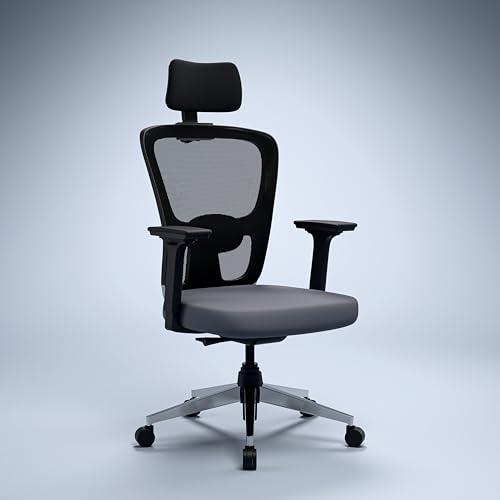
Featherlite Versa (ergonomic chair), around ₹8,500-11,000
Featherlite is an established office-furniture maker, and one Versa listing shows a 3-year warranty. Seller and variant (high back or medium back) change the price, so compare like for like. Who it's for: long-hours buyers who want a task chair from a furniture specialist.

Wakefit Maven (budget mesh chair), around ₹3,800-4,300
This sits right at the floor, and the listing shows a 1-year warranty. Expect budget corners, and check which gas lift class the seller lists. Who it's for: a tight budget where any proper office chair is a step up from what you sit on now.

Have more to spend? REDRAG's premium gaming chairs guide covers the higher end.
Verdict: let the hours pick for you
Here is the rule in full. Under 2-3 hours a day, buy whichever you like the look of. For console and lean-back play, buy the gaming chair and enjoy the recline. At 6+ hours a day on one chair, buy the ergonomic office chair, because lumbar support, a breathable back, posture changes and a longer warranty are the features that compound every day.
Whichever side you land on, check the exact variant, its warranty length and its gas-lift class on the listing before you pay. Those three lines decide how the chair feels a year from now, whichever type it is.
FAQ
Is a gaming chair or an office chair better for long hours?
For 6+ hours a day, an ergonomic office chair is the better fit. It has adjustable lumbar support built into the backrest, a breathable back, a seat that allows posture changes and a longer warranty. The exception is console and lean-back play, where a gaming chair's wider recline is a real advantage.
Which chair is better for back pain, a gaming chair or an ergonomic chair?
No spec sheet can promise a chair fixes back pain, so this guide does not. What you can compare is support: a built-in adjustable lumbar curve versus a loose pillow you reposition yourself. If you have ongoing pain, talk to a doctor or physiotherapist, and treat the chair as a support tool.
How much should I spend on a chair for both gaming and work in India?
Around ₹9,000-12,000 is the zone where you can buy either type with sensible specs. Below roughly ₹5,000, both categories cut the same corners, so spend less only if your sessions are short. Whatever you pick, look for a Class 4 gas lift and check the warranty length.
